It’s the early morning hours of March 14, 2025. And if I’m going to pull this off, I must prepare like crazy.
Clear, cloudless night. Or as cloudless as I can achieve.
Equipment at the ready. I’ve got a pack of Kodak Tri-X 400 black and white film packed into my Pentacon Six TL camera, with my 80mm Carl Zeiss Jena Biometar lens on the chassis and a 10-stop ND filter on the lens. Camera’s perched on my trusty Vanguard Tracker 4 tripod. Locking mechanical shutter cable attached to the camera body.
And just to be safe … I’ve added a pack of Kodak Portra 400 film into my Nikon F2S 35mm shooter (“Nikon Athena”), and slapped a nine-stop Kolari ND filter on that camera as well. For this camera, I chose my 20mm Nikkor f/2.8 lens, opened up to f/4.
Both cameras will be triggered simultaneously with a dual-action manual shutter cable release.
Yeah. Chuck’s going gonzo on this.
I’ve captured lunar eclipse photos before, with my best one being The View From Screven County in 2022. That was shot with my digital gear, and I was truly pleased with the results.
But now I want a lunar eclipse on film. And not just any type of lunar eclipse photo capture. I want that moon trail image. And I figure that I can get a spectacular shot with either of these two cameras, then I’ll be happy.
To even get the spot for this shot, I need more than just a moon path. I need something on the ground – a body of water, an old barn, a sign, something. Something that can help the photo tell its own story.
And for this, I scouted various locales. The Adirondacks would be perfect for a dark sky, and there’s a few spots that have streams or lakes – and hopefully, they’re aligned the way I want.
I’m also thinking about schlepping to Oneida County, and maybe photographing the eclipse against some architecture from my alma mater, Hamilton College.
There’s a few other tasty spots worth considering – Thompson’s Lake in the Helderbergs, for one. Or shooting from the Tomhannock Reservoir in Rensselaer County. Or maybe a trip to the Berkshires and capturing the eclipse from Bennington or Arlington or one of those other “tons.”
And in the end … I went back to one of my favorite dark sky honey holes.
The Corinth Reservoir. Enough parking, a quarter-mile hike to a clear, unobstructed view of the skies.
And according to whatever weather satellites Elon Musk hasn’t fucked over yet …
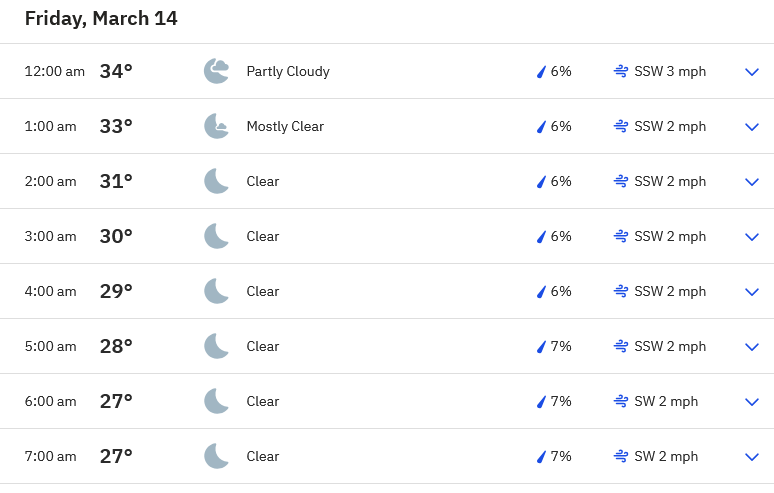
I can get a clear shot with no clouds. Fist pump.
It was only then that I realized something that could completely derail my photo project.
The pathway to the reservoir – a quarter-mile hike through the woods – was covered in slippery ice.
Okay. Let’s make alternative plans.
And after driving through Saratoga County for a while, finding imagined spots interrupted by telephone wires and streetlights – I went back to the reservoir. If I have to get the shot this way, I’ll get it with the treetops. Such is life.
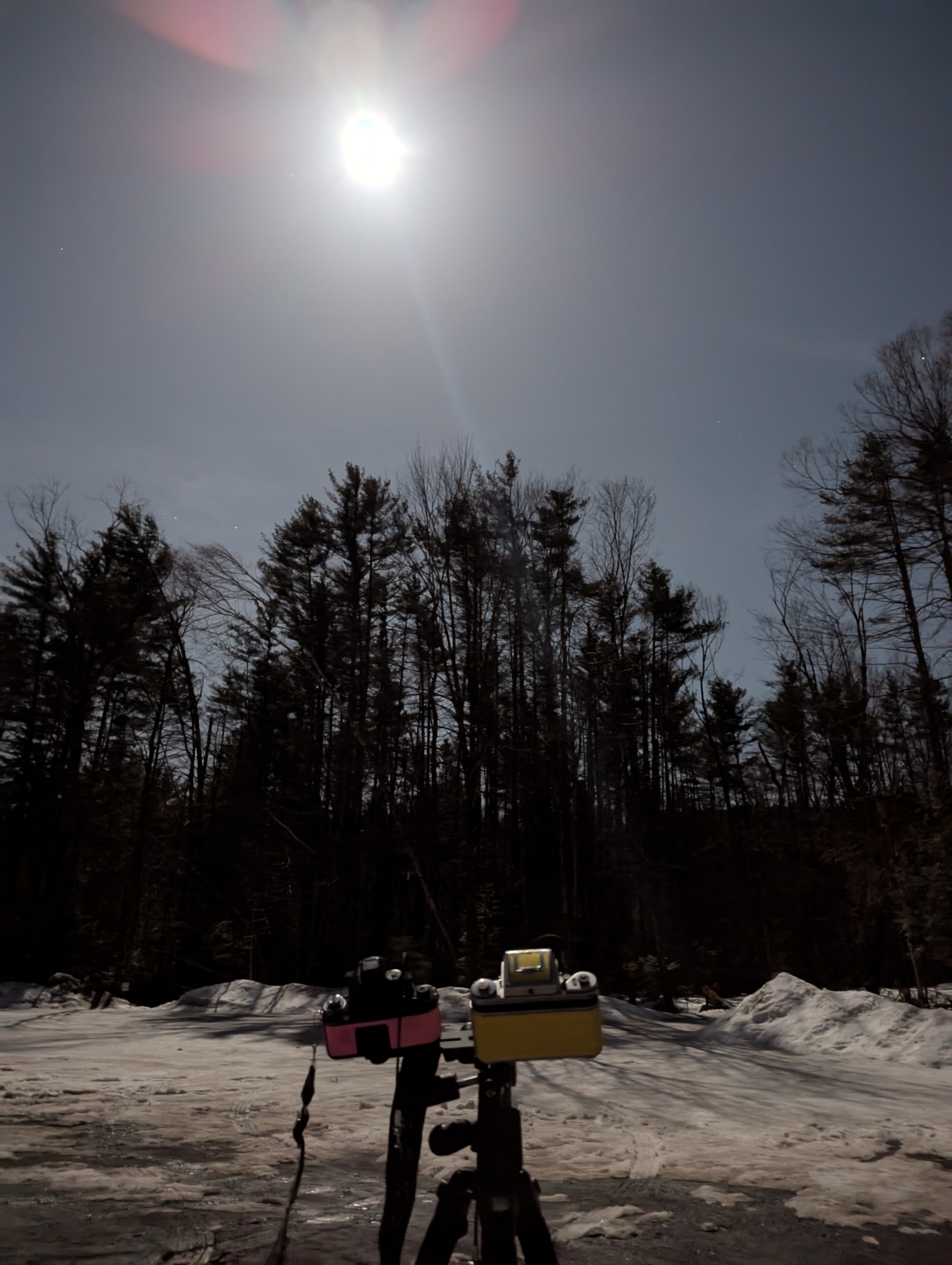
If you’re wondering … Nikon Athena (in pink) is on the left, while my Pentacon Six TL – which has been freshly leathered in canary yellow – is on the right.
I attached their proprietary shuttered cable releases, and at 12:30 a.m., I activated both cameras … and then went back to my car to try to sleep. Because it’s currently 25° in the Adirondack Mountains right now, and I’m really not looking for a date with frostbite.
Okay. Let’s wait for the next four hours. If all goes well … I’ll pull something out of this.
At 4:45 a.m. – which should encompass the beginning, totality and end of the lunar eclipse – I disengaged the camera shutter cable releases. Packed both cameras back into the car, and drove home. Trust me, if it weren’t for that 20-ounce can of Sugar Free Red Bull that I kept in the car for just such an emergency …
Now comes the waiting.
On Wednesday, I dropped off both rolls of film to McGreevy Pro Lab, my pro lab of choice.
On Friday, I received my negatives from McGreevy Pro Lab.
And … well …
I would say that my concept worked.
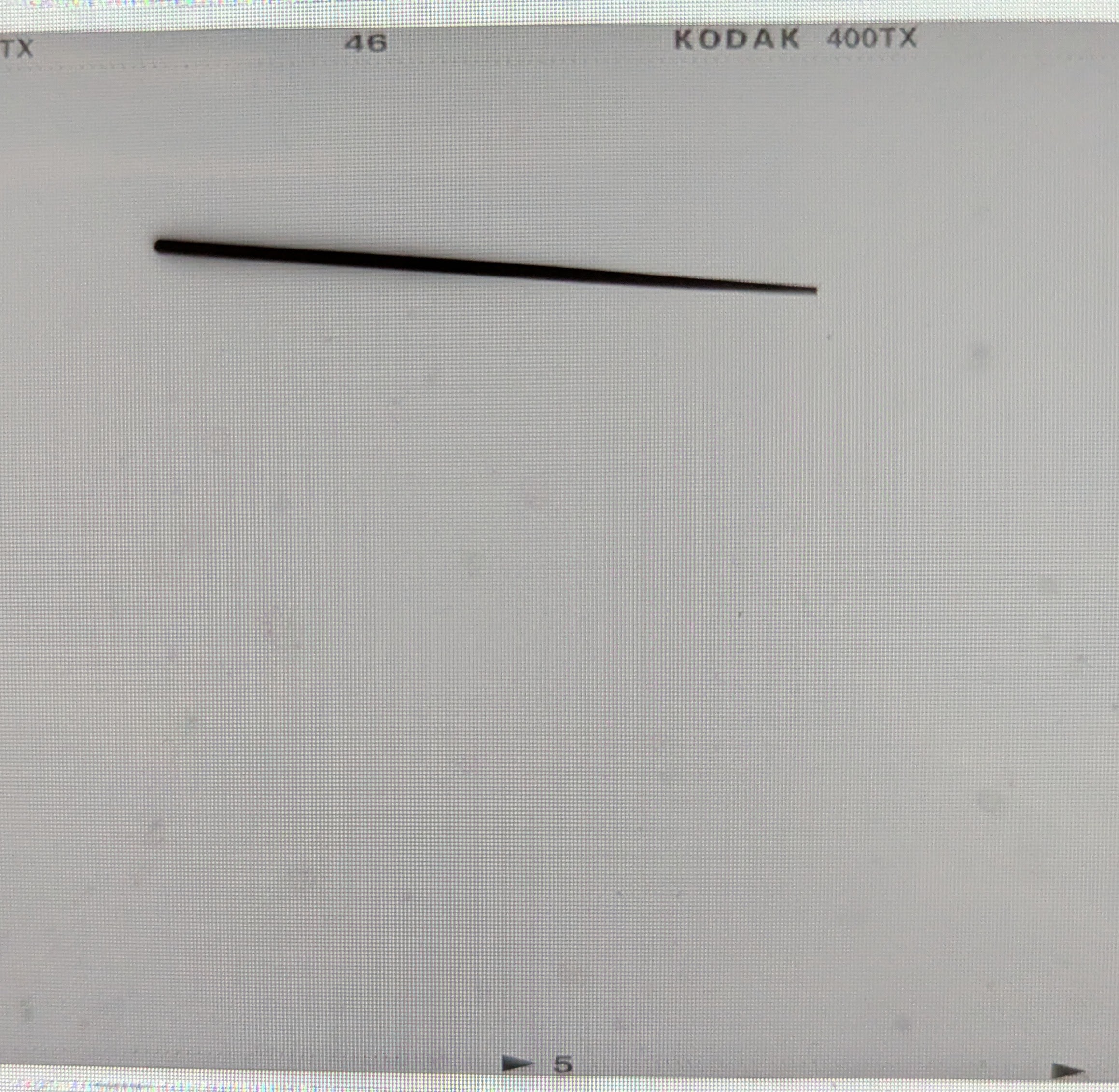
Here’s some shots of the negatives – first, from the Kodak Tri-X that was packed in the Pentacon Six TL …
<<*>>
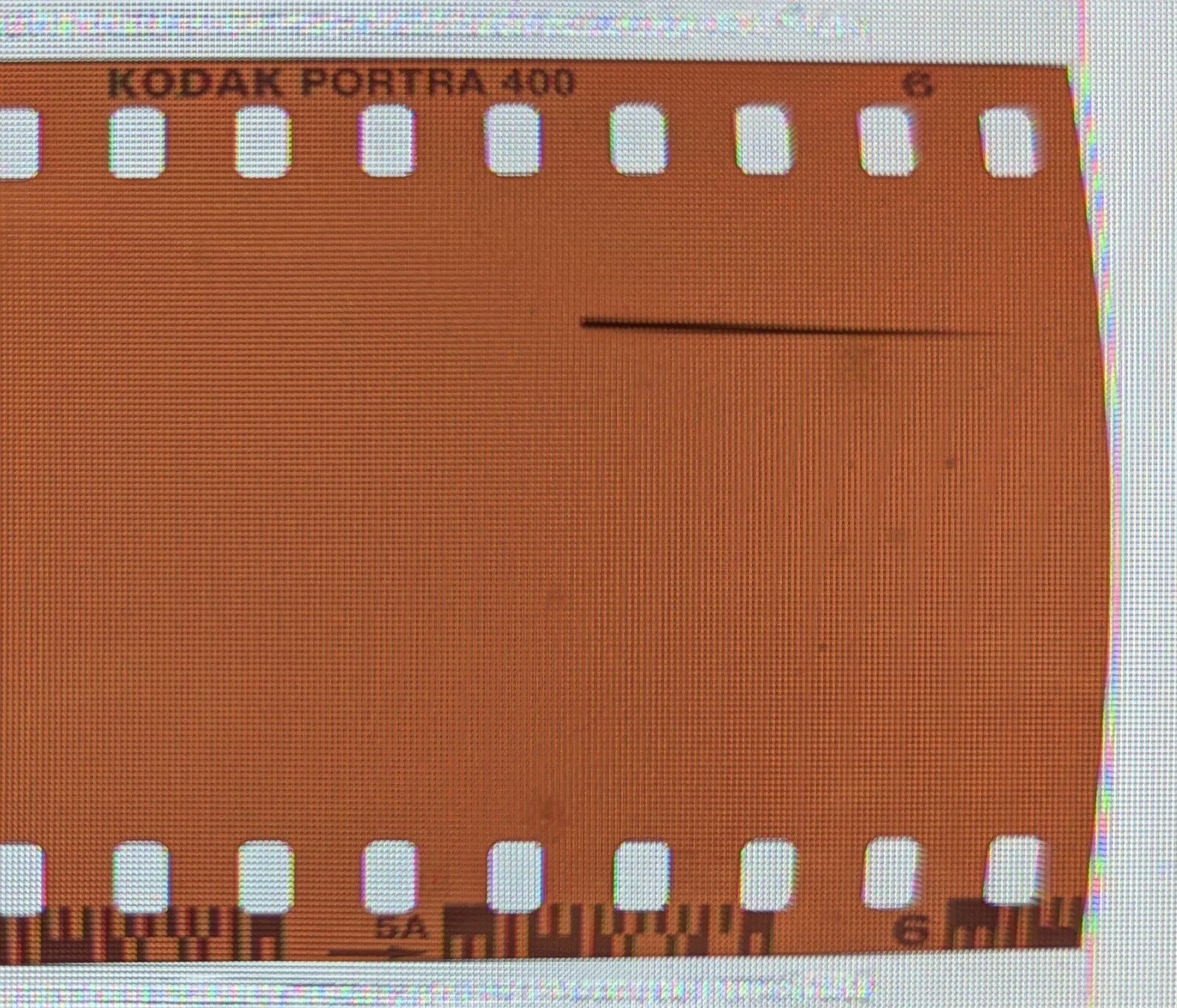
And here’s the negative of the Kodak Portra 400 that was loaded in Nikon Athena.
<<*>>
Yeah, maybe I should scan these, don’tcha think?
And here we are …
Both pictures.
<<*>>
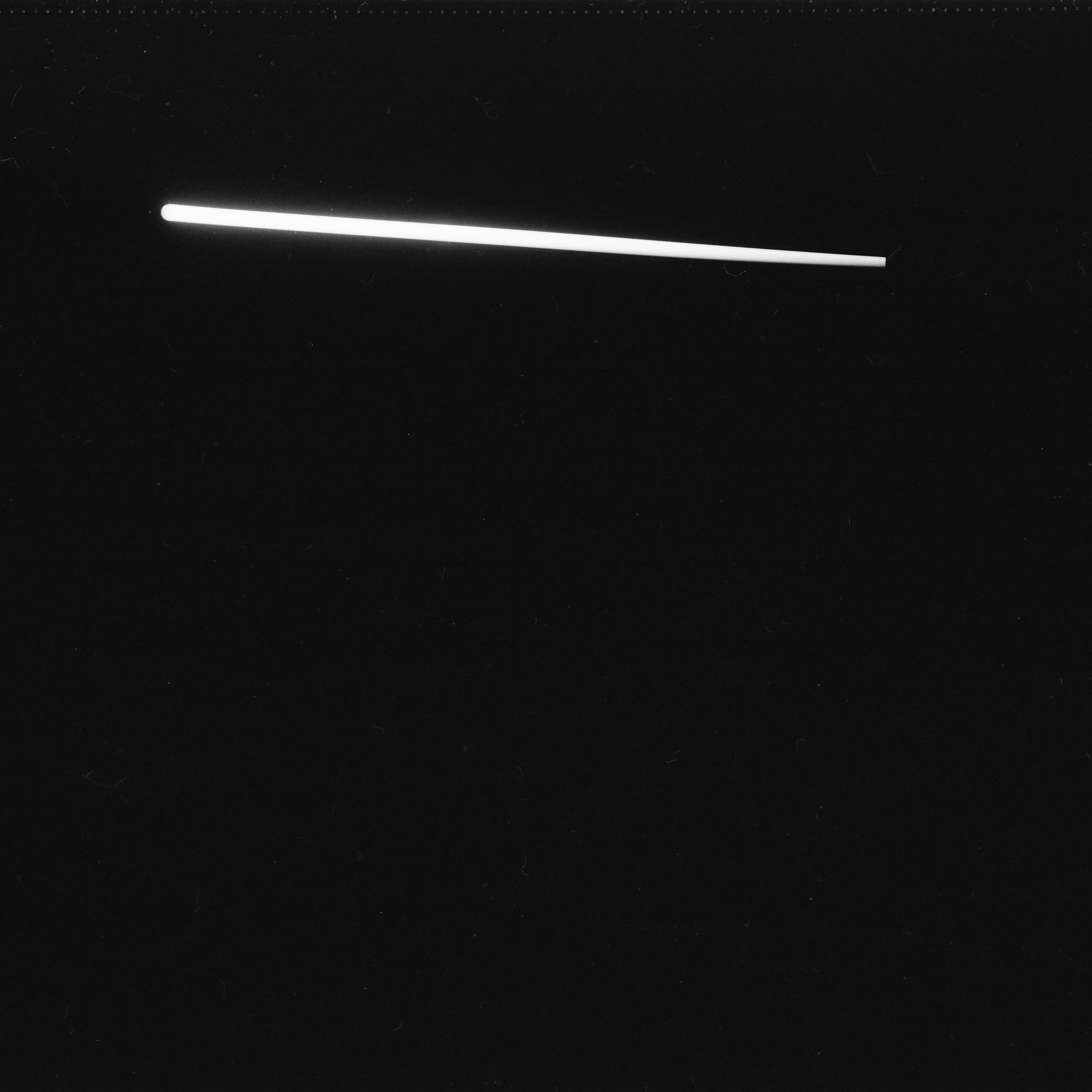
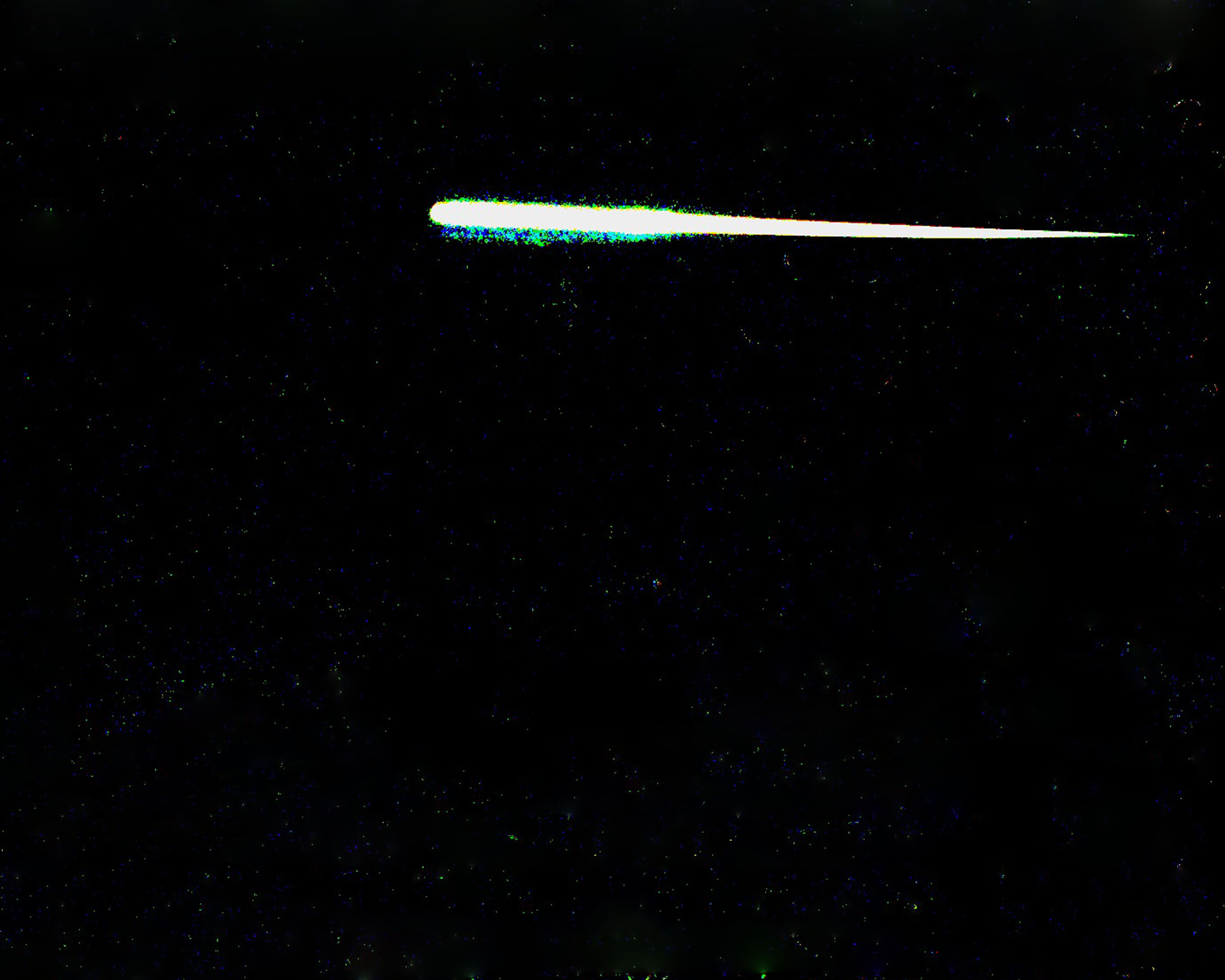
And I have to say … there’s success here. I’ve captured the entire length of the lunar eclipse in the skies. This is incredible. Caught on one strip of film. Two strips, actually, one for each camera. And if I do this again, I’m choosing the medium format Pentacon Six TL camera over Nikon Athena.
But the drawback?
I’ve only captured the eclipse. None of the trees. None of the background. None of the rest.
This isn’t good enough for Competition Season. As it is right now, all I have is a glorified proof of concept.
But proof of concept or not … I now have to take what I’ve learned and focus it on the next total lunar eclipse, which is scheduled for … checks calendar … March 3, 2026.
Okay. Less than twelve months from now. I could theoretically make this happen. Theoretically.
I mean … I’ve gotten this far. And I now have nearly a dozen more full moons before that next celestial event.
Let’s make this happen, shall we?
Yes, let’s.


You must be logged in to post a comment.